The earliest form of heating is not documented, but was most probably either a portable stove, or an open fire, as was commonplace. As time went by, it was quickly realised that although these methods kept the congregation warm, they also came with a whole host of drawbacks and risks. Open flames from fires soon led to a high risk of the interior being at risk of catching fire. From here, it was also realised that smoke from the flames created very poor air quality within the building.
Moving forwards a little, a Roman invention, a ‘Hypocaust’, may have been used, or what we know today as ‘under floor heating’. This system comprised of a series of underground pipes and channels which would move hot air beneath the floor. The technology was great at heating large spaces within a building but also came with its drawbacks as it was hard to maintain, as well as being expensive to build. A heating duct with degraded wood was discovered during the 2006 restoration (just East of the Tower).
The Middle Ages saw the introduction of wood-burning stoves and furnaces. These were aimed to be an improvement on previous methods, by creating chimneys for smoke ventilation. You would find these sources of heat located in the nave or transept of the church, with these being in the main area of the building. While these systems were an improvement on past construction practices, they still came with issues of creating smoke within the breathable air, as well as not being highly efficient with lots of wasted heat energy.
As time takes us into the 19th century, we can see that churches began to introduce heating systems that are more akin to modern day practises. The system would be powered by boilers that would that would heat water, which was then transported through pipes to radiators located throughout various points within the church. This was deemed a huge success, as flammability and poor air level risks were removed.
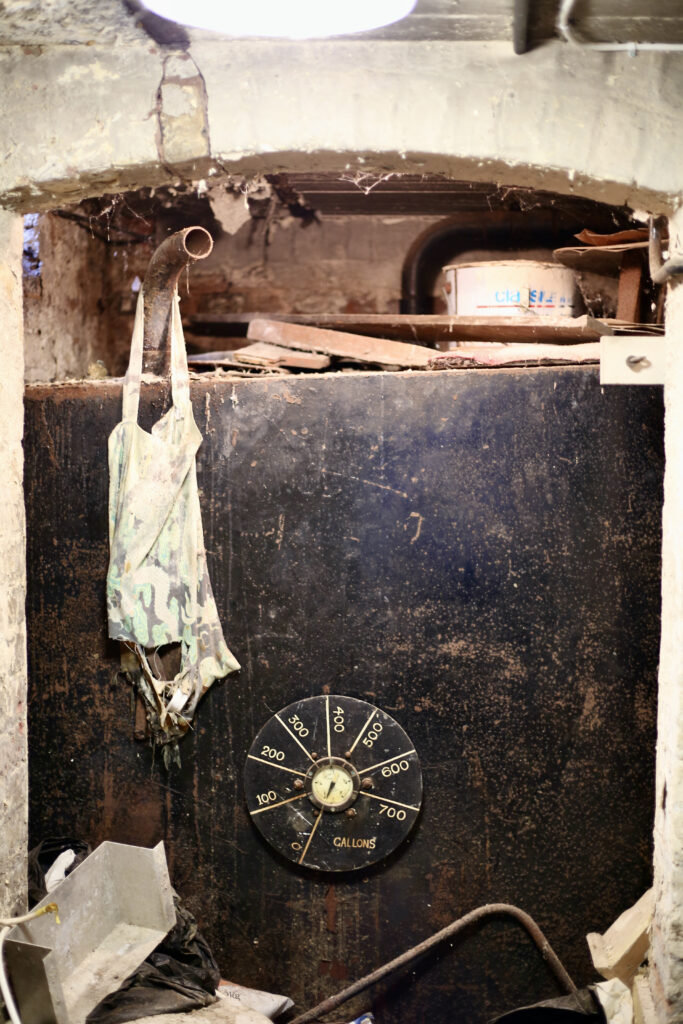
Our Church up until 1958 was heated by a Solid Fuel boiler, which upon the death of Mr Albert Simmons (Parish Clerk for more than 60 years), and his bequest to the Church, was changed to an Oil fired boiler.